


In this episode, we unpack the difference between externalized blame and pattern recognition.
For those who need clarity. Here is a goat head. Not fun to step on 🥲
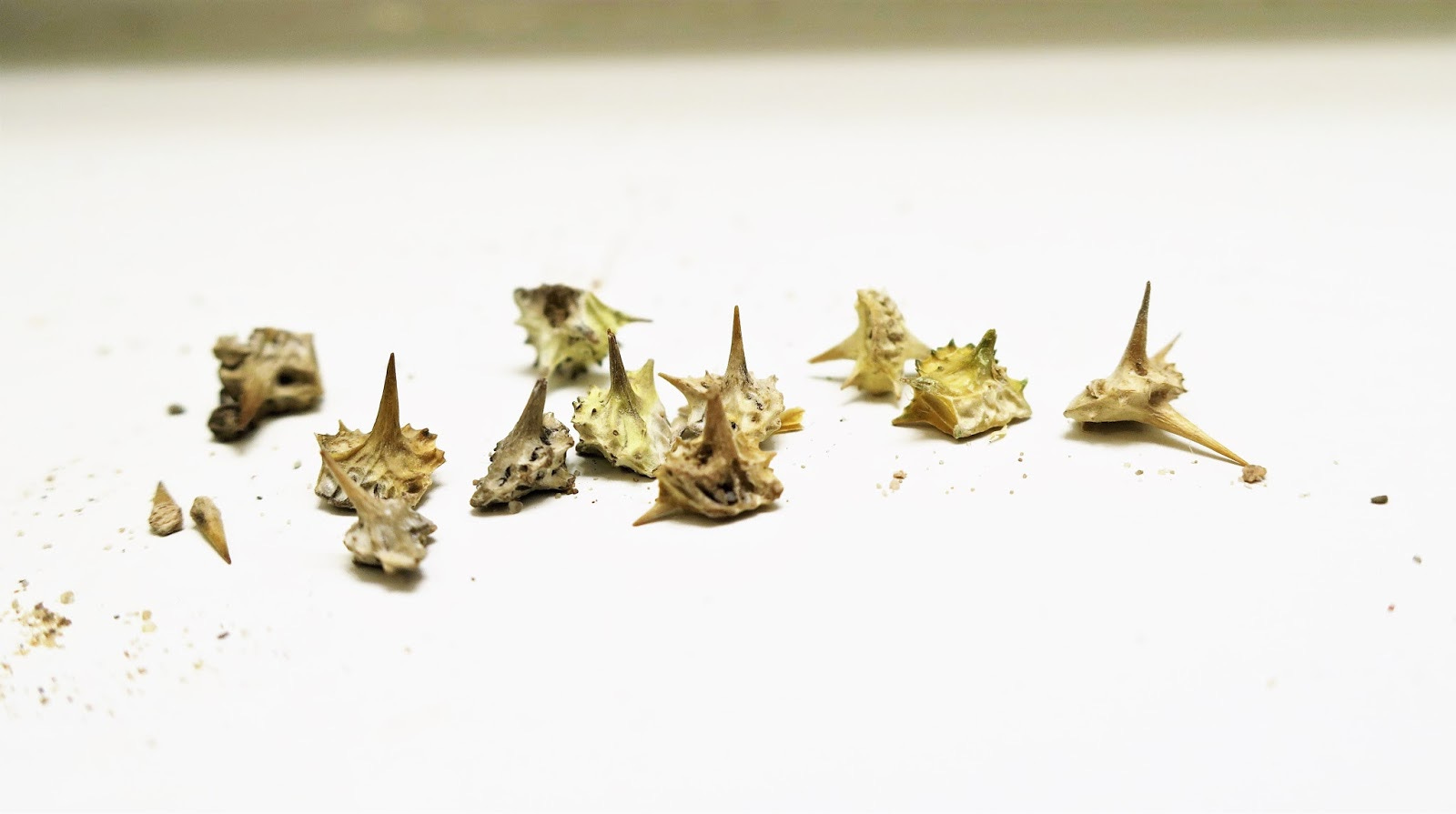
Blame feels sharp. Sticky. Painful. Like stepping on a goat head in the desert — it hooks into you and won’t let go. The mind tells us the only way to get relief is to throw it at someone else.
But relief through projection isn’t freedom.
It’s transfer.
We explore:
Why blame is neurologically easier than self-examination
How egocentric loops protect identity at the expense of growth
The illusion that “giving blame away” equals liberation
Why alchemizing blame requires dissection, not discharge
Instead of flinging the goat head, we smash it.
We examine it.
We ask: What’s inside this?
Under blame, there is usually:
Unmet need
Boundary violation
Fear of loss
Ego injury
Attachment panic
Shame
Blame protects the nervous system from collapse.
Pattern recognition builds the nervous system’s capacity to evolve.

We also introduce the Pendulum Visualization:
Right now, many conversations swing wildly between extremes because nuance has disappeared. Without nuance, there are no “pause slots” along the spectrum — no places for reflection, only reaction.
Nuance creates micro-pauses.
Micro-pauses create choice.
Choice interrupts loops.
But before we can interrupt the loop, we have to see it.
Key Concepts
Blame is a protective reflex, not a solution
Pattern recognition requires ego tolerance
Externalizing blame reinforces neural loops
Naming a loop is the first act of agency
Nuance slows the pendulum
Reflective Questions
When I feel blame rise, where do I feel it in my body?
Do I want relief or do I want understanding?
What does it cost me to keep holding onto this blame?
If I smashed this “goat head,” what might I discover underneath it?
Is this a one-time offense, or is this a pattern?
What part of me feels threatened if I let go of blame?
What boundary needs reinforcement without character assassination?
What to Listen For in the Next Conversation
In the next episode, we’ll move from recognition to interruption.
We’ll explore:
How to train the ability to see loops in real time
Techniques for slowing down reactivity
How to interrupt narcissistic and egocentric loops in family systems
Boundary reinforcement without escalation
What to do when someone refuses accountability
This isn’t about becoming passive.
It’s about becoming precise.
You can’t interrupt what you can’t see.
Invitation to Engage
I’d love to know:
What loops are you noticing in your own life right now?
Where does blame feel hardest to release?
What would you like me to unpack next — boundaries, family dynamics, narcissism, nervous system regulation, or something else entirely?
Drop a comment and let me know what you want this podcast space to explore.
We’re building this together. 🫶🏽


